
|
Brundall at war
|
The casualties of World War One in Brundall
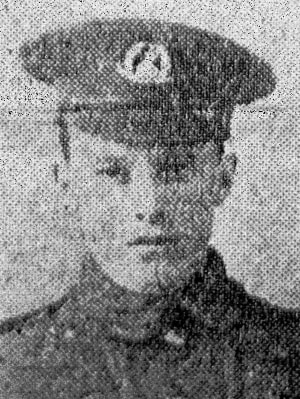
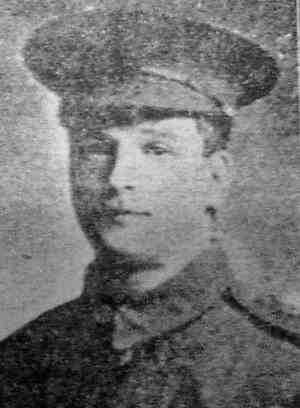
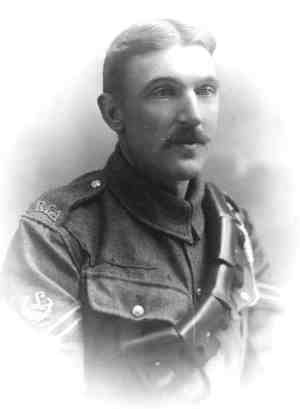


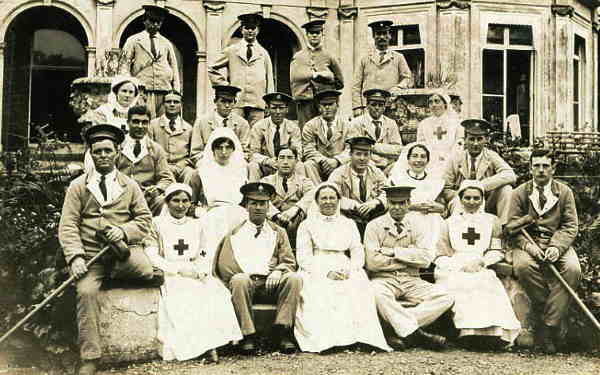
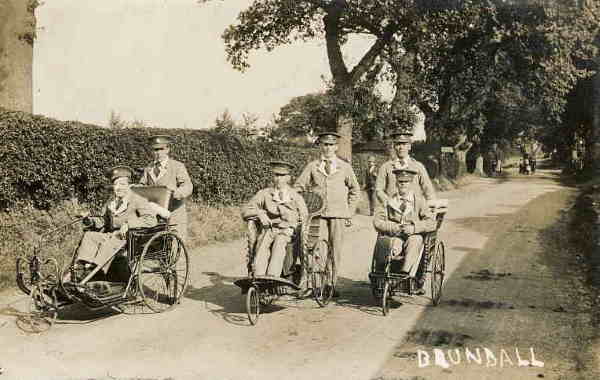
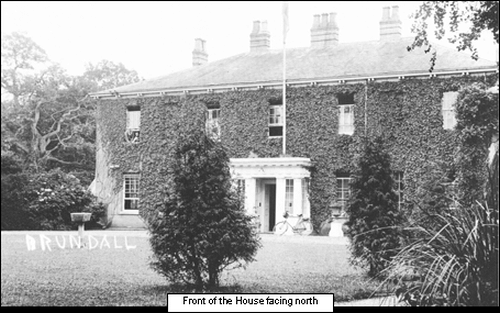
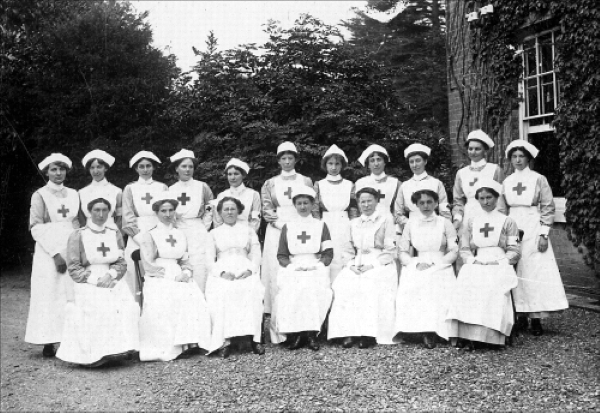
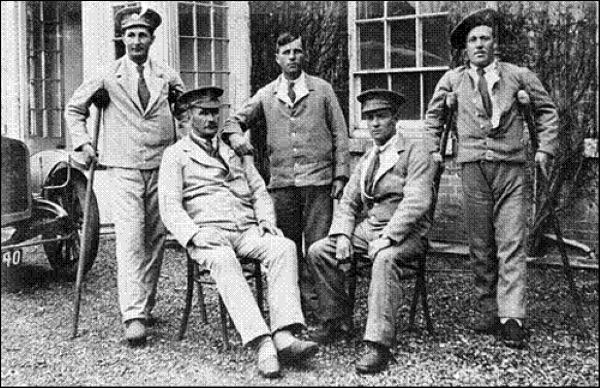
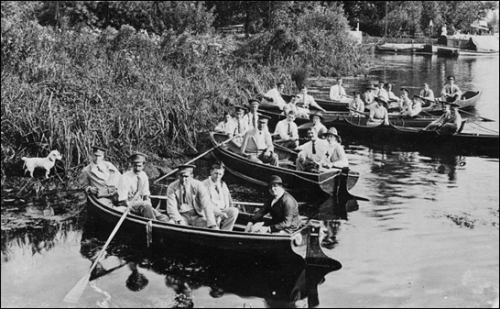
As war broke out Brundall had a population of about 500, swelled by the numbers of patients and staff at the auxiliary war hospital, which was based at Brundall House in the middle of the village.
The village's sons marched off to fight for their country, with 11 of them never to return.
The row of cottages at Barn Terrace was terribly struck. Four families there lost family members; two were brothers, and three were killed within five weeks of each other in 1918.
Corporal James Harper had moved to Neatishead, but his mother still lived at No. 6. At his memorial service at Brundall Church the Rector said that having served in the Royal Artillery since the beginning of the war “he was looking forward to higher promotion. He has gained it elsewhere…"
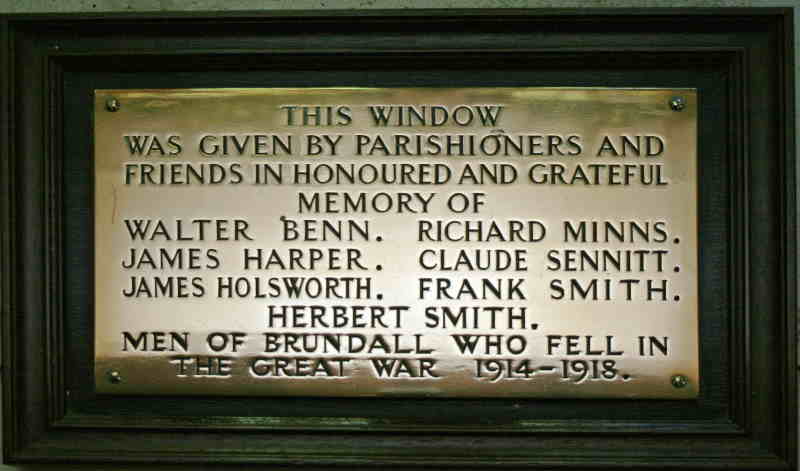
The others with Barn Terrace connections were Private Richard Minns, James Harper’s brother-in-law, who also lodged at No 6; Privates Herbert and Frank Smith from No. 8; and Private James Holsworth, whose parents lived at No. 4.
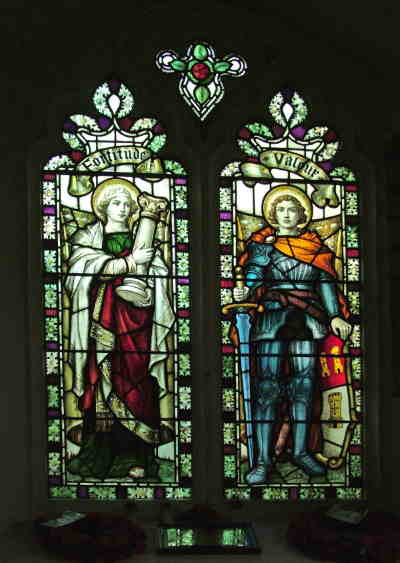
Several Brundall and Braydeston young men joined the various battalions of the Norfolk Regiment but some did not experience a long war. 2nd Lieutenant Walter Meire, of the 9th Battalion, died aged 25 at Loos in 1915. A year later Private William Beck in the same battalion, was killed in one of the Somme battles at the age of just 19. Private Charles Mason died aged 24 with the 8th Battalion at La Boiselle in 1916. 2nd Lieutenant Walter Benn was killed with the 7th Battalion at Arras in 1917, only six weeks after arriving on the Western front.
Private Arthur Cole had emigrated to Canada but when the war came he signed up with the 7th Battalion Canadian Regiment and fell at Passchendaele in 1917.
Sub-lieutenant Claude Sennitt, who served in the Royal Naval Volunteer Reserve (Hood Battalion) was killed aged 27 in 1917 after only a fortnight of active service.
These were ordinary men with ordinary lives whose tragic destiny was commemorated on the weekend of November 10 and 11 2018, the 100th anniversary of the Armistice when peace returned to their village.
The village's sons marched off to fight for their country, with 11 of them never to return.
The row of cottages at Barn Terrace was terribly struck. Four families there lost family members; two were brothers, and three were killed within five weeks of each other in 1918.
Corporal James Harper had moved to Neatishead, but his mother still lived at No. 6. At his memorial service at Brundall Church the Rector said that having served in the Royal Artillery since the beginning of the war “he was looking forward to higher promotion. He has gained it elsewhere…"
The others with Barn Terrace connections were Private Richard Minns, James Harper’s brother-in-law, who also lodged at No 6; Privates Herbert and Frank Smith from No. 8; and Private James Holsworth, whose parents lived at No. 4.
Several Brundall and Braydeston young men joined the various battalions of the Norfolk Regiment but some did not experience a long war. 2nd Lieutenant Walter Meire, of the 9th Battalion, died aged 25 at Loos in 1915. A year later Private William Beck in the same battalion, was killed in one of the Somme battles at the age of just 19. Private Charles Mason died aged 24 with the 8th Battalion at La Boiselle in 1916. 2nd Lieutenant Walter Benn was killed with the 7th Battalion at Arras in 1917, only six weeks after arriving on the Western front.
Private Arthur Cole had emigrated to Canada but when the war came he signed up with the 7th Battalion Canadian Regiment and fell at Passchendaele in 1917.
Sub-lieutenant Claude Sennitt, who served in the Royal Naval Volunteer Reserve (Hood Battalion) was killed aged 27 in 1917 after only a fortnight of active service.
These were ordinary men with ordinary lives whose tragic destiny was commemorated on the weekend of November 10 and 11 2018, the 100th anniversary of the Armistice when peace returned to their village.
A gallery of images of Brundall in World War One and its aftermath
Scroll over the image to see the caption, and click to see a larger picture.

Find out more in our publications:
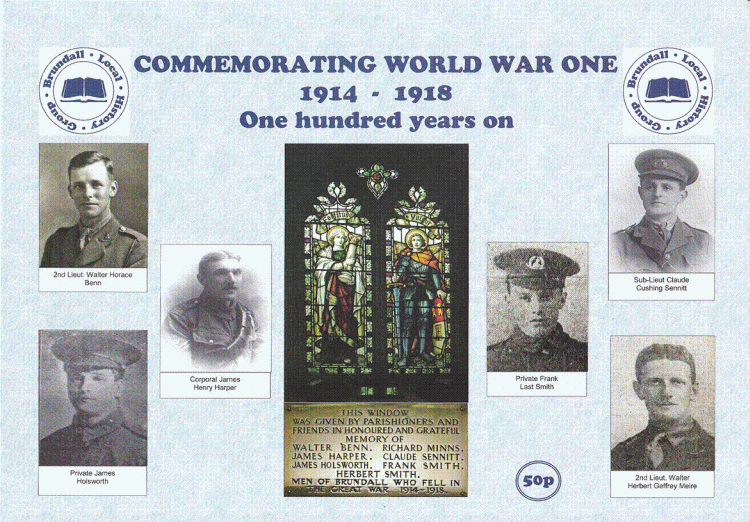
Commemorating World War One 1914-1918
A leaflet, Commemorating World War One 1914-1918: One Hundred Years On, was created in 2018. In addition a Brundall & Braydeston War Memorials Discovery Trail leaflet, devised by the Brundall Local History Group, is available as an historical and location guide to the memorials and landmarks for both world wars around the village.
For copies, at 50p each, contact [email protected] |
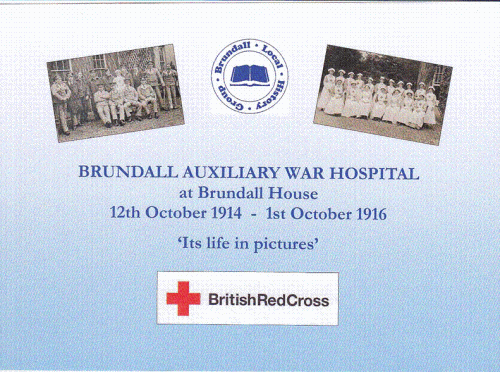
The book commemorating Brundall war hospital
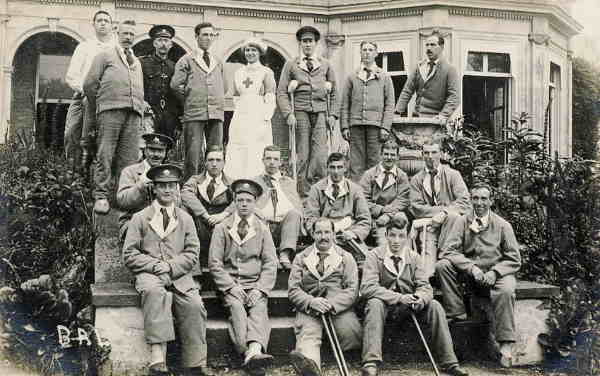
In 1914 Brundall House, then in the centre of the village, was offered by its owner as an auxiliary war hospital. For two years it welcomed wounded soldiers, under the leadership of Margaret Harker. Brundall Local History Group has produced a book about the hospital with many photographs from the time.
For copies, price £3, contact [email protected] |
World War Two
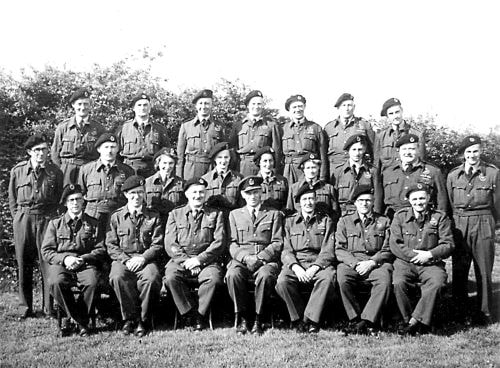
World War Two saw the village inundated with different regiments of the army and ATS. Many of the large houses were commandeered for their billets, officers' quarters and even some artillery was nearby.


Copyright: Nothing on this website may be copied or published without the permission of the Brundall Local History Group. This does not mean we will not give permission, but you do have to ask us. The archive material has come from many sources and there are many copyright holders.
